Upload a selfie and within seconds you’re told your skin age, where your wrinkles will appear in ten years, and which miracle serum you absolutely must buy. Impressive? Absolutely. Perfect?
Not quite.
At Austin Clinic in Balgowlah, we’re excited by the possibilities AI brings to skin health – but we’re also seeing where technology has its limitations. Because while computers have become remarkably clever, they still can’t replace years of clinical experience, professional diagnosis, and an understanding of the person attached to the skin.
Let’s explore where AI shines … and where it still needs a little human help.
AI Is a Brilliant Assistant – Not a Dermatologist
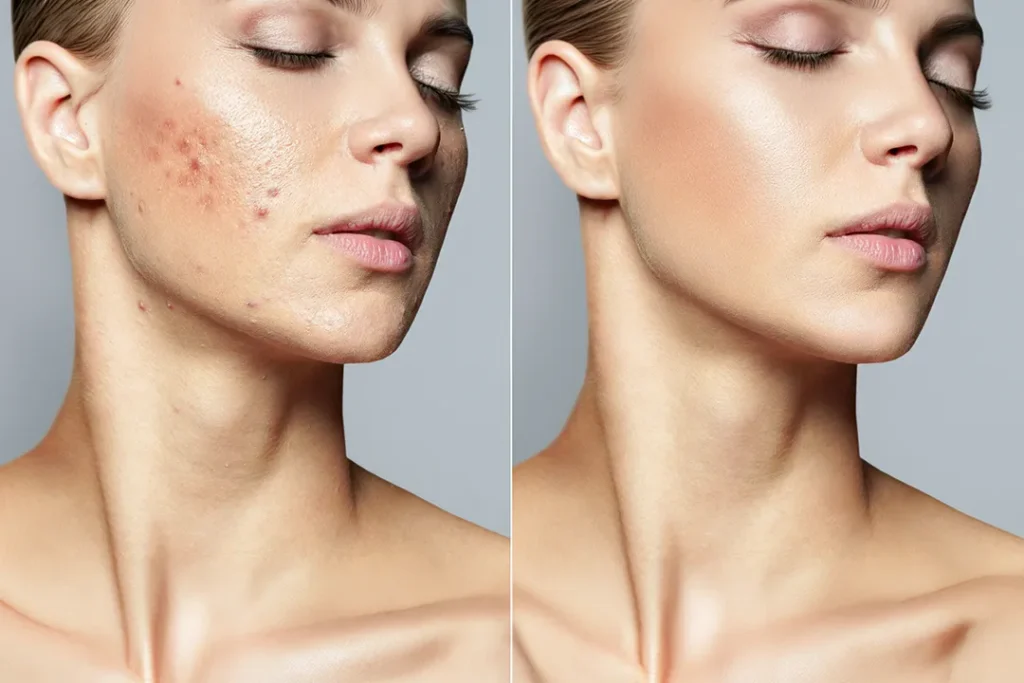
Many skincare apps now offer:
- Skin age analysis
- Wrinkle tracking
- Pigmentation mapping
- Pore analysis
- Product recommendations
- Progress photos over time
For people beginning their skincare journey, these tools can be fun, educational and motivating. They can even encourage someone to pay more attention to changes in their skin – which is never a bad thing.
AI is incredibly adept at recognising patterns. Show it thousands of photographs of pigmentation, acne or wrinkles, and it quickly learns to identify similar features in your own skin. But here’s the important part.
AI only knows what it can see.
Your skin is telling a much bigger story.
Skin Isn’t Just Skin
Imagine trying to judge the quality of a house by looking only at the front door. You’d have no idea what the plumbing looks like, whether the foundations are solid or if there’s water damage hiding behind the walls.
Your skin works much the same way.
A photograph might show redness, but does it explain that the redness is caused by:
Rosacea?
Sun damage?
Sensitive skin?
An impaired skin barrier?
Hormonal inflammation?
An allergic reaction?
Sometimes these conditions can look surprisingly similar while requiring completely different treatments.
“Technology can provide useful information, but it doesn’t replace a comprehensive skin assessment,” says Dr Susan Austin. “Successful treatment begins with understanding why a skin concern exists – not simply identifying what it looks like.”
That’s a very important distinction.
AI Knows Products … But It Doesn’t Know This
One of AI’s biggest strengths is making recommendations based on data. Unfortunately, data isn’t always the same as context.
For example, AI doesn’t know:
- Whether you’re pregnant.
- Whether you’ve reacted badly to ingredients before.
- Whether you spend every weekend surfing.
- Whether your skin changes with the seasons.
- Whether you’re managing other medical conditions.
- Whether you’ll actually stick to a ten-step skincare routine.
The best skincare plan isn’t simply the one with the highest online rating. It’s the one that’s realistic, personalised and sustainable.
Beware the AI Beauty Rabbit Hole
Social media has already convinced many people they need twelve products before breakfast. Now AI is joining the conversation. Some platforms generate elaborate skincare routines packed with active ingredients. The result? Many people end up combining products that don’t belong together.
Too many active ingredients can:
- Damage the skin barrier
- Increase redness
- Trigger breakouts
- Cause irritation
- Make sensitive skin even more reactive
More isn’t always better. Sometimes less really is more.
The Not-So-Secret Power of AI in Skincare
The exciting news is that AI is already helping clinicians behind the scenes. Around the world, artificial intelligence is assisting healthcare professionals by:
- Analysing medical images
- Comparing lesion photographs over time
- Supporting research
- Identifying subtle changes that might otherwise be overlooked
- Improving consistency in skin imaging
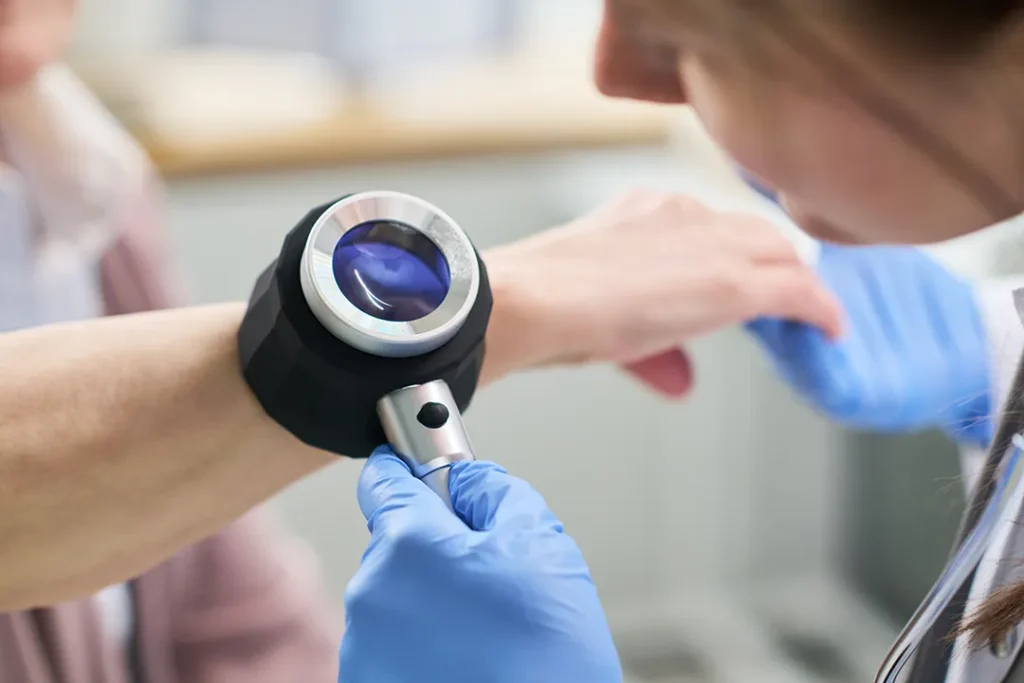
These technologies are becoming valuable clinical tools. Notice the key word? Tools. Tools support experienced practitioners. They don’t replace them.
What AI Can’t Measure
There are some things no algorithm can calculate:
- Your lifestyle.
- Your goals.
- Your confidence.
- Your concerns.
- Whether you want dramatic change or simply healthier-looking skin.
- Whether downtime fits your schedule.
- Whether you’re preparing for a wedding, recovering after pregnancy, or simply trying to feel comfortable without makeup.
Those conversations still happen person-to-person at Austin Clinic. And that’s exactly how they should be conducted.
The Austin Clinic Difference
At Austin Clinic, we embrace innovation – but only when it’s supported by evidence. Technology continues to improve the way we assess, photograph and monitor skin health, but every recommendation is still built around one very important factor: you.
“No algorithm can replace listening to your concerns, understanding your medical history, examining your skin properly and developing a personalised treatment plan,” explains Dr Austin. Because healthy skin isn’t created by artificial intelligence alone. It’s created by combining advanced technology with genuine clinical expertise.
That’s where the best results happen.
Ready for Advice That’s Smarter than an Algorithm?
If you’ve been relying on online skin analysis, beauty filters or AI-generated skincare routines and still aren’t seeing the results you hoped for, perhaps it’s time for a real conversation. At Austin Clinic in Balgowlah, our experienced team combines advanced technology with evidence-based clinical assessment to understand what your skin truly needs.
Whether you’re concerned about pigmentation, acne, redness, ageing or simply want healthier-looking skin, we’ll help you separate internet hype from treatments that genuinely work. After all, even the smartest computer still can’t shake your hand, listen to your concerns, or understand your skin quite like an experienced clinician can.
Book your consultation with Austin Clinic today and discover the difference personalised expertise can make.