
Skin Cancer – Screening, Treatment and Prevention

Understanding Skin Cancer
Cancer is a disease, and skin cancer is an umbrella term for several types of cancer that affect skin growth. As skin cells grow old and die, new cells form naturally to replace them. (These additional cells may create bumps or lesions that are benign/non-cancerous.) Your skin’s natural process can be disrupted and accelerated by any of a variety of factors, most especially UV light exposure. This can lead to skin cancer.
Types of Skin Cancer
There are three main types of skin cancer:

Basal Cell Carcinoma

Squamous Cell Carcinoma

Melanoma
Symptoms of Skin Cancer
The most common warning sign of skin cancer is a change on the surface of your skin, we recommend that you check your skin regularly using the Skin Cancer College of Australasia’s ‘SCAN’ method:
Sore
A spot which is sore (scaly, itchy, bleeding, tender) and doesn’t heal within 6 weeks.
Changing
Changing in size, shape, colour or texture.
Abnormal
Looks different, feels different, or stands out when compared to your other spots and moles.
New
Has appeared on your skin recently. Any new moles or spots should be checked, especially if you are over 40.
If you observe changes like these, contact Austin Clinic for a skin cancer appointment as soon as possible. Early diagnosis and treatment are essential to optimal outcomes.
What happens during a cancer check appointment
At Austin Clinic, we understand that a skin cancer check can be stressful. We will put you at ease by getting to know you as a person and a patient. We will take your medical history and ask about any changes you’ve noticed to your skin. After that we will examine your skin, including those hard-to-see places such as your scalp, ears, soles, and genital area.
Non-surgical treatments for skin cancer
Different types and stages of skin cancer call for different approaches, and not all skin cancer requires surgery. The good news is that many skin cancers can be cured if they’re diagnosed early and treated before they have a chance to spread. If you are diagnosed with skin cancer, one or more of the following non-surgical treatments may be recommended:
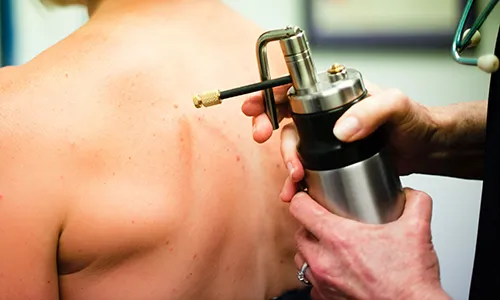
Cryotherapy
Cryotherapy uses liquid nitrogen to freeze benign skin lesions, pre-cancerous skin lesions and certain cancerous skin lesions. Treatment time is fast, and healing time is minimal. One or more treatment sessions may be needed.

Photodynamic Therapy (PDT)
PDT is a light therapy aimed at certain pre-cancerous lesions or superficial skin cancers. It also offers skin rejuvenating benefits and is less likely to cause scarring than other treatments.
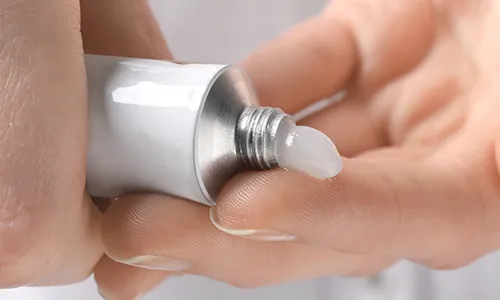
Topical Treatments
Topical treatments such as Efudix or Aldara have shown promise for certain superficial skin cancers and may be more cost-effective than PDT. Several treatments are required over several weeks, doubling the healing time.
Skin cancer surgery at Austin Clinic
For patients whose skin cancer needs a more aggressive treatment, the doctors at Austin Clinic are well-qualified at removing cancers. While surgery may sound daunting, it is a relatively quick procedure performed under local anaesthetic. In our experience, 95% of skin cancers diagnosed can be removed onsite easily.
Skin Cancer FAQ
Does skin cancer spread?
Doctors who treat this condition
Dr Susan Austin
Dr John Kessel
Dr Kavya Chaganti
Gallery
Related Articles
Why PDT Can Treat More Than the Sun Damage You Can See
Your skin doesn’t forget a lifetime of Australian sunshine. And sometimes, the evidence isn’t just the freckle or rough spot you can see in the mirror.

‘Tis the Season … to Recognise Sun Damage and Treat It at Austin Clinic
Australia’s beautiful climate invites us outdoors year-round, but with that sunshine comes one of the biggest contributors to premature skin ageing and skin concerns – sun damage.

Why Skin Cancer Awareness Month is Important
Every May, people across the globe come together to recognise International Skin Cancer Awareness Month – and here at Austin Clinic in Balgowlah, we are proud to be part of this important initiative.

How to Maintain Vitamin D Levels Without Sacrificing Sun Protection
Maintaining healthy Vitamin D levels is a delicate balancing act. Let’s explore how you can keep your Vitamin D levels optimal while still being a pro at protecting your skin.