
Redness and Rosacea
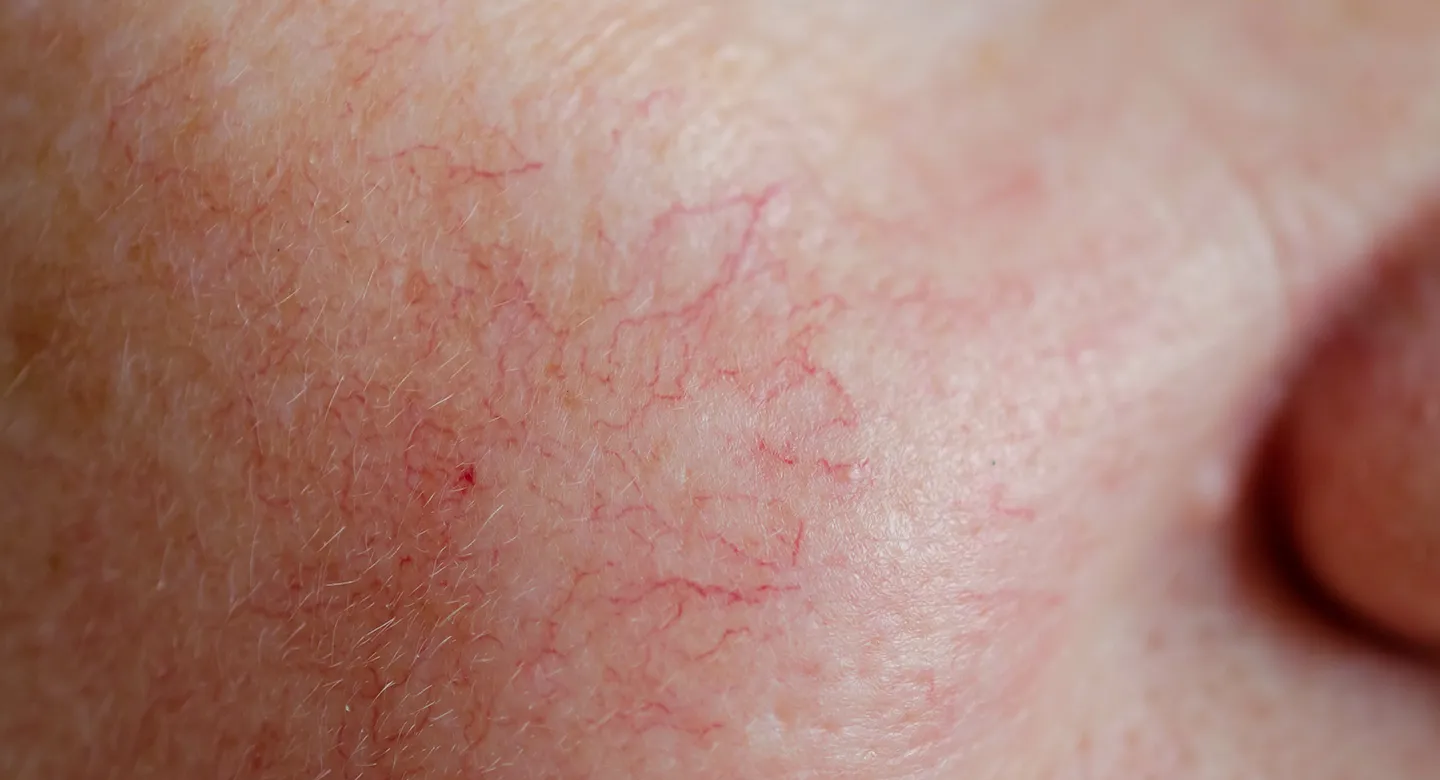
Understanding the rise of rosacea
Rosacea is a common inflammatory skin disease affecting up to 5% of Australians. Rosacea is characterised by facial redness, pimples, and broken blood vessels. It can develop at any age, but most often begins after age 30. Women are more likely to develop rosacea, as are people who have fair hair or light skin, blush easily, have a family history of rosacea, or are of Celtic or Scandinavian ancestry.
Rosacea red flags
There are four different types of rosacea, and its impact on skin varies widely from person to person. This can make it a challenge to identify. You can suspect rosacea when you experience symptoms like these:
Dry skin
Eye irritation
Facial swelling
Raised red skin patches
Skin thickening
Stinging or burning feeling to skin
Thickened skin
Rosacea triggers
The cause of Rosacea can be due to a variety of factors including circulatory abnormalities, immune system function, heredity, and even skin mites may contribute. Factors that may trigger a rosacea flare include:
Alcohol consumption
Hormonal changes
Skin/hair products
Stress
Sun exposure
Diagnosing rosacea
The first step in treating any skin disorder at Austin Clinic is a preliminary consultation. We will learn about you as both a patient and a person. We will take your medical history, listen to you describe your symptoms, and then perform a thorough physical exam. It is not uncommon for those with deeper skin tones to have their rosacea inaccurately diagnosed as seborrheic dermatitis or an allergic reaction. We are well-versed in accurate rosacea diagnosis.
When to seek treatment for rosacea
Rosacea can be difficult to self-diagnose because it looks like other skin problems. If you have recently developed facial redness, eye problems, or breakouts, and are noticing small red, blue and purple lines on your face, you should contact Austin Clinic for a diagnosis and treatment plan. Early treatment can minimise rosacea’s effect on your skin.
Treatments for rosacea
Rosacea diagnosis is unique to each person we see, as is the recommended treatment. A combination of topical and oral medications is usually the first step.
Topical treatments
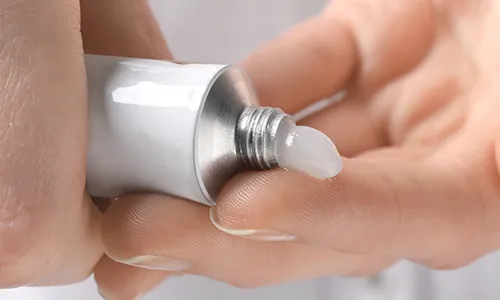
For mild symptoms, the first step is usually to use topical treatments such as creams, gels, and ointments. These products may contain antibiotics, or vasoconstrictors to address issues such as flushing, redness, and mild rashes. For instance, creams with azelaic acid, ivermectin, or metronidazole can help with raised or pus-filled spots. Additionally, products with ingredients like niacinamide and zinc can reduce inflammation and redness.

Oral medications
For moderate to severe cases, oral medications might be needed. Antibiotics such as doxycycline or minocycline are commonly used. Another option is erythromycin, especially for papulopustular rosacea, though it can sometimes cause stomach issues.
In-clinic treatments
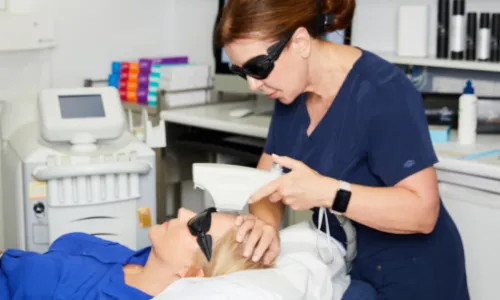
Broadband light treatments use targeted light energy, gentler than a laser, to heat and shrink the broken blood vessels responsible for redness and flushing. They also assist skin health and beauty by stimulating collagen production and minimising damage from age spots and sun exposure.
Preventing rosacea flares
Managing rosacea starts with building an effective skincare regimen. Once symptoms have been controlled, or rosacea goes into remission, we will help you transition to a regular program of topical products. This will help to keep your symptoms from returning. You can also minimise the risk of flares by being mindful of UV rays. Wear sunscreen daily and reapply frequently.
FAQs
Doctors who treat this condition
Dr Susan Austin
Dr Prasanthi Purusothaman
Gallery
Related Articles
Five Simple Steps to Better Skin
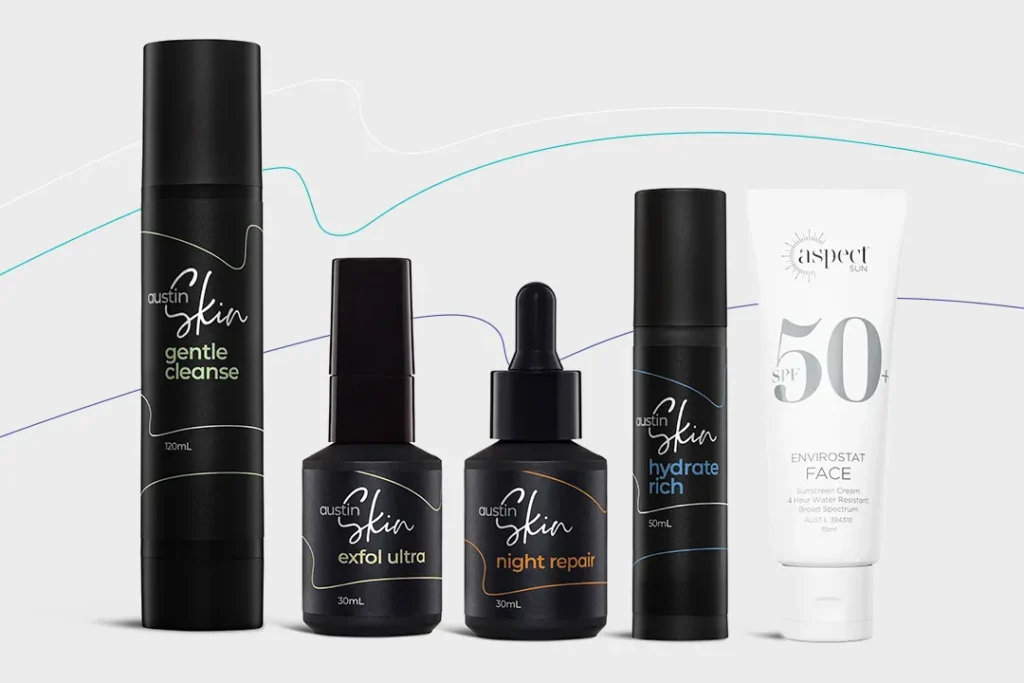
When did skincare get so complicated?! Our 5 Steps Philosophy takes the guesswork out of skincare by organising a routine around five essential actions.
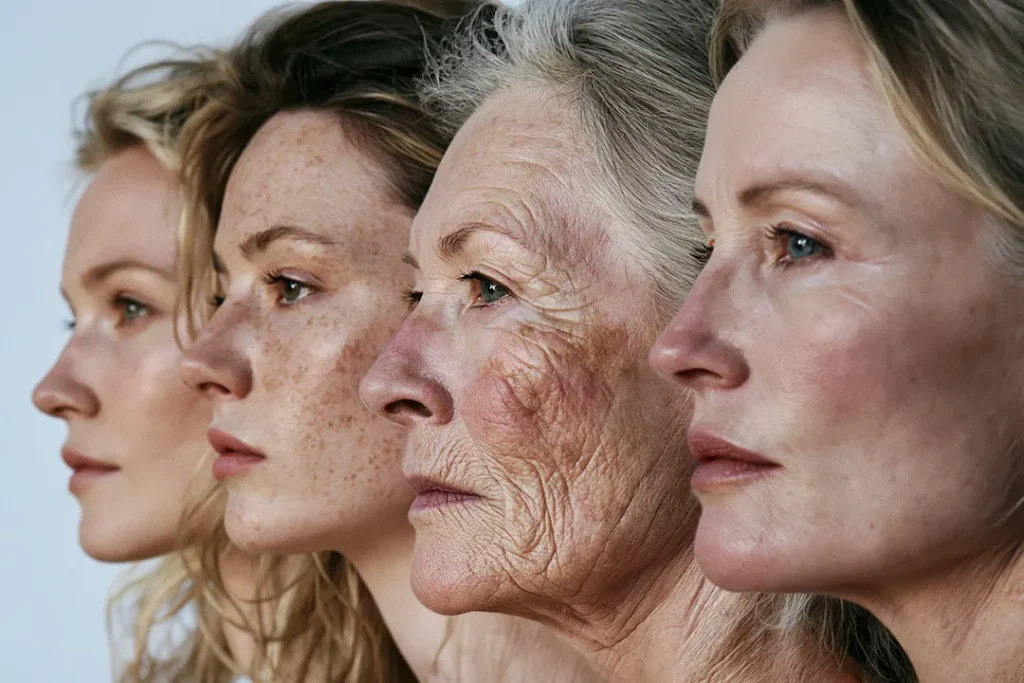
From Gen Z to Baby Boomers: How Every Generation Is Doing Skin Differently
Once upon a time, skincare was fairly straightforward. Today, skincare and self-care look very different. Social media, greater access to information and advances in skin treatments have transformed the way people care for themselves.

It’s Winter. Time to Think About Sun Damage
Here is the hard truth: sun damage has a remarkable memory. Every beach day, every afternoon walk, every weekend spent outdoors leaves a little reminder behind. Sometimes it takes years – or even decades – for that damage to become visible.
How to Age with Confidence
We understand that ageing is a privilege, but being able to age gracefully takes consideration. We’ve made it easy for you.