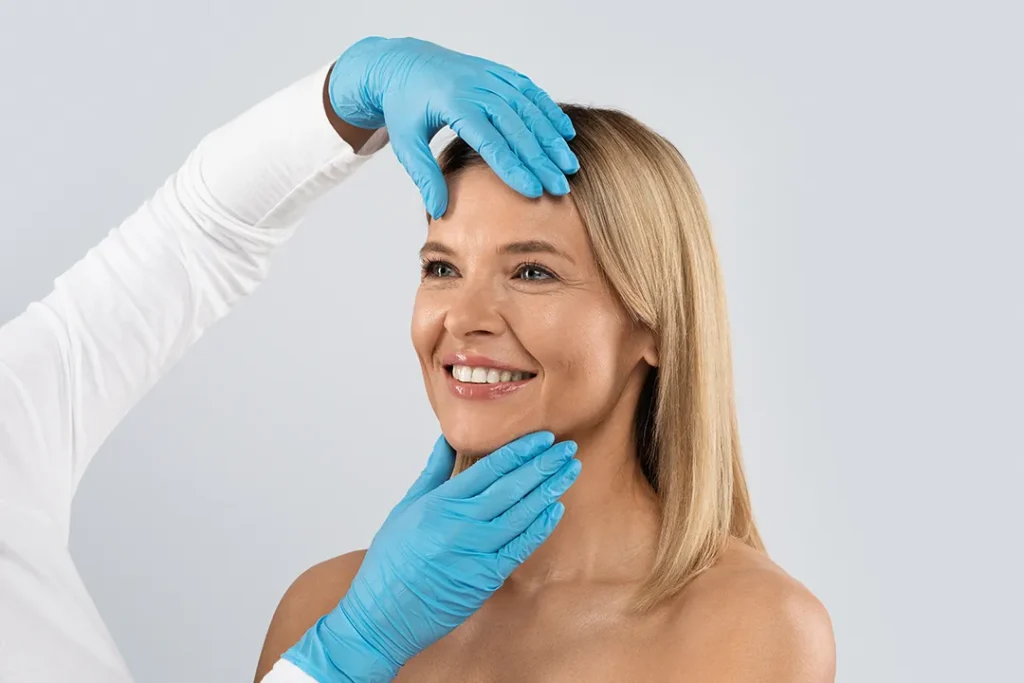

“Life can feel busy, overwhelming, and sometimes isolating,” observes Dr Austin. “R U OK? Day encourages us to pause, connect, and remember that nobody needs to struggle alone.” At Austin Clinic, we see daily how much emotional wellbeing impacts physical health, and particularly our skin. So, let’s have an open and friendly conversation about the link between mental health, stress, and skin health – and share a few simple ways you can care for both your mind and your complexion.
Why Stress Shows Up on Your Skin
It always happens! Just before you have a big presentation, an exam, or a day when you want to look your best, it seems that your skin is determined to sabotage your plans by breaking out. That’s not your imagination. It’s biology. Stress activates your body’s fight or flight response, releasing hormones such as cortisol. While this is useful in short bursts, ongoing stress causes cortisol levels to stay elevated, which in turn stimulates oil production in the skin. More oil equals a higher chance of clogged pores, breakouts, and flare-ups … but you already know that from experience, don’t you?
Stress can also make conditions like eczema, psoriasis, or rosacea worse, since it weakens the skin barrier and makes it more reactive. To top it off, poor sleep (a common side effect of stress) slows down the skin’s repair cycle, leaving your skin (and you) looking tired and dull.
For this and so many other reasons, supporting mental health isn’t just important for your emotional balance – it’s also a key step toward healthy, glowing skin.
Small Steps That Make a Big Difference
The heart of R U OK? Day is the idea that genuine conversations can change lives. “You don’t need to be an expert or have all the answers,” Dr Austin reminds us. What matters is the willingness to ask the question, listen to the other person’s response with empathy, and offer your support.
It may come as a surprise that this same principle applies to how we care for ourselves, in general, and even our skin, specifically. If you notice your skin is acting up, take a look at your emotional state. Then give yourself space to release your tension in a healthy way with a healing breath.
Not certain how to begin? Here are a few DIY mental health exercises you can try at home to support your well-being:
The Five-Minute Breather – Find a quiet spot, close your eyes, and take slow, deep breaths. Try inhaling for four counts, holding for four counts, and exhaling for four counts. This simple exercise calms your nervous system and reduces cortisol – helping your skin and mind alike. You can also use the time to give your face a skin treatment!
Journaling to De-Clutter Your Mind – Grab a notebook and write down your worries, to-do list, or even just how you’re feeling in the moment. Putting thoughts on paper can stop them from spiralling in your head. Think of it as giving your brain a spring clean.
Nature Walks for a Mood Boost – Step outside, even if just for 10 minutes. Exposure to fresh air and natural light improves mood and lowers stress hormones. Plus, walking gets your blood circulating, which nourishes your skin cells with oxygen and nutrients. Don’t forget sun protection.
Attitude of Gratitude Reset – Each evening, write down three things you’re grateful for. Shifting your focus to the positive helps rewire your brain to notice the good – and gratitude is linked to lower stress and better sleep. Adding a positive comment about your skin is an added plus.
The Skin-Mind Connection
When your mind is calm, your skin often reflects it. Lower stress equals fewer flare-ups, stronger skin barriers, and improved healing. That’s why at Austin Clinic, we often remind our clients that glowing skin doesn’t come from products alone – it’s the combination of good skincare, healthy habits, and emotional wellbeing.
Of course, that doesn’t mean skincare isn’t important. When stress is unavoidable (as it often is), a consistent routine can help protect your skin through the tougher times. Think of it as your anchor:
- Cleanse gently to remove the day’s impurities without stripping natural oils.
- Exfoliate skin regularly to reduce buildup of dead skin cells.
- Hydrate with a nourishing moisturiser to strengthen your skin barrier.
- Protect with SPF daily, because sun damage is still the biggest accelerator of skin ageing.
- Treat targeted concerns with serums such as antioxidants to counteract stress-related free radicals.
And if stress breakouts or flare-ups feel out of your control, that’s when professional support comes in handy. Our team can help tailor your skincare to support your needs and even recommend treatments such as skin needling or calming facials that work alongside your self-care practices.
Let’s Keep the Conversation Going
At Austin Clinic, we believe in caring for the whole person. That means treating skin concerns with science-backed solutions while also acknowledging the role that stress, and emotional wellbeing play in your journey. “Healthy skin and mental health go hand in hand,” says Dr Austin. “A mindful routine, balanced lifestyle, and supportive conversations are the foundation for feeling and looking your best.”
This R U OK? Day, let’s commit not only to checking in with others but also to nurturing ourselves – inside and out. At Austin Clinic, we’re here to help you on both fronts: by providing skincare advice and a listening ear whenever you need it. Together, we can build habits that support resilience, confidence, and a brighter, healthier you.