First Things First: How To Know When To Go?
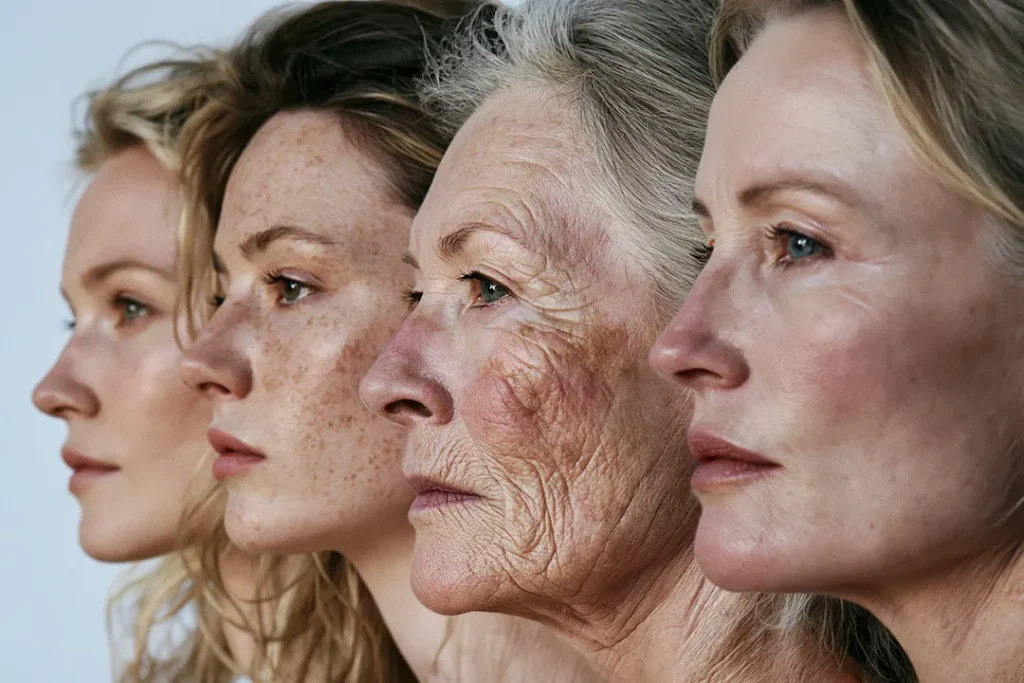
Evidence of sun damage is not always as obvious as a dark spot or dramatic patch of pigmentation. It can also appear as persistent redness, roughness, scaling or a small area that feels like sandpaper and never quite goes away.
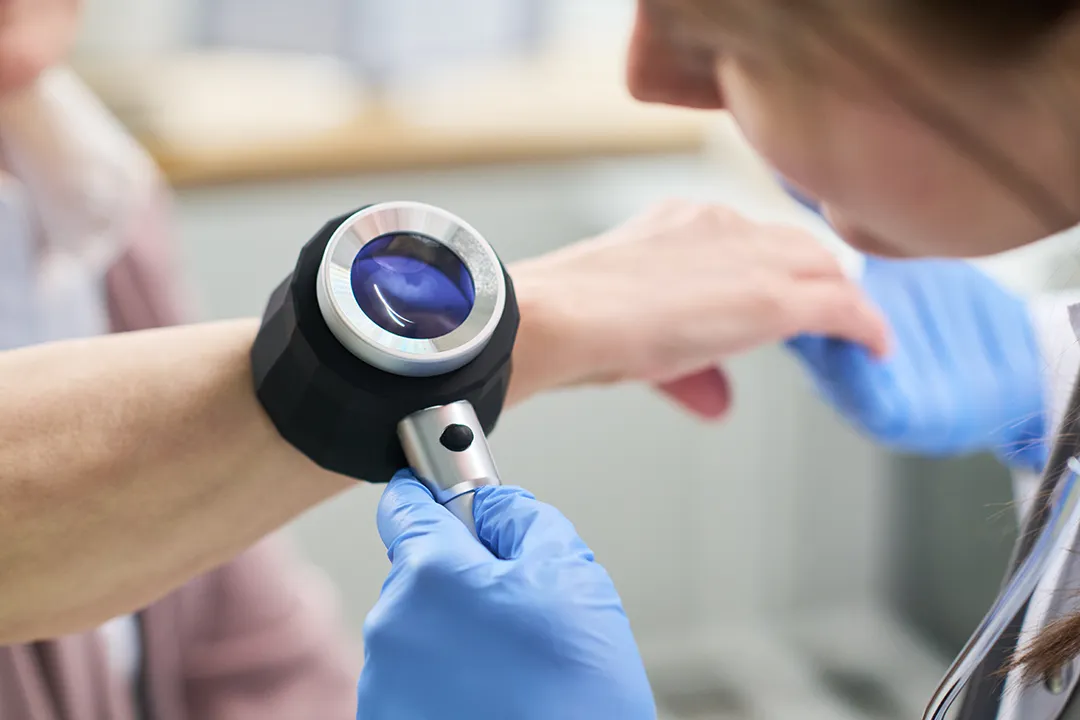
While not every rough bit of skin will become skin cancer, these lesions should never be self-diagnosed or ignored. They need to be examined by a doctor, who can determine what they are and whether treatment is required.
This is particularly important if a spot:
- Feels rough, tender or unusually sensitive
- Continually flakes or forms a crust
- Bleeds without an obvious reason
- Changes in colour, shape or thickness
- Disappears and then returns
- Simply doesn’t heal
In other words, if your skin is trying to get your attention, it is usually wise to listen.
What Is Photodynamic Therapy?
Think of sun damage less like a single weed and more like a patch of ground where multiple weeds may be growing. PDT is a two-part treatment designed to target any abnormal or damaged skin cells i.e. field cancerisation.
PDT may be recommended for:
- Actinic keratoses
- Bowen’s disease, also known as squamous cell carcinoma in situ
- Selected superficial basal cell carcinomas
- Certain precancerous skin lesions
- Areas of field cancerisation or extensive sun damage
Field cancerisation sounds rather dramatic, but it simply describes an area containing widespread sun-damaged cells rather than one isolated lesion. This is one of PDT’s most useful qualities: it can treat both visible lesions and surrounding areas of abnormal skin that may not yet be obvious to the eye.
What Happens During Treatment?
This is a question on every person’s mind. Your PDT appointment takes place in three stages.
Preparing the Skin – The treatment area is cleansed and prepared before the light-sensitive cream is carefully applied. It is then covered and protected from light while the medication is absorbed.
Waiting Period – The cream remains on the skin covered by a dressing for approximately two hours. You are free to leave the clinic during this time, provided you follow the instructions given by the team and keep the area protected from light.
Activating the Treatment – You return to Austin Clinic, where the dressing is removed and the area is exposed to a specialised red LED light for approximately 20 minutes. This activates the medication within the abnormal cells and begins the process of destroying them.
The complete appointment generally takes three to four hours, although most of this is incubation time rather than hands-on treatment.
For the first 48 hours, the skin is extremely sensitive to light. You will need to avoid direct sunlight, minimise bright indoor light where possible and keep any dressings in place as instructed.
Once the area is ready to be exposed, gentle cleansing, appropriate restorative skincare and SPF50+ sunscreen will help support recovery. Retinol, exfoliating acids, scrubs and other active products should be avoided until the skin is fully healed. You should also postpone facials, peels, laser treatments, microdermabrasion, saunas and spas until your doctor says it is safe to resume them.
Why Might PDT Be Recommended?
For the right patient and the right type of lesion, PDT offers several valuable benefits. First, it is a non-surgical treatment, so there are no incisions. It selectively targets abnormal cells while helping to preserve the surrounding healthy skin and can treat a broader area of sun damage rather than addressing each visible spot individually.
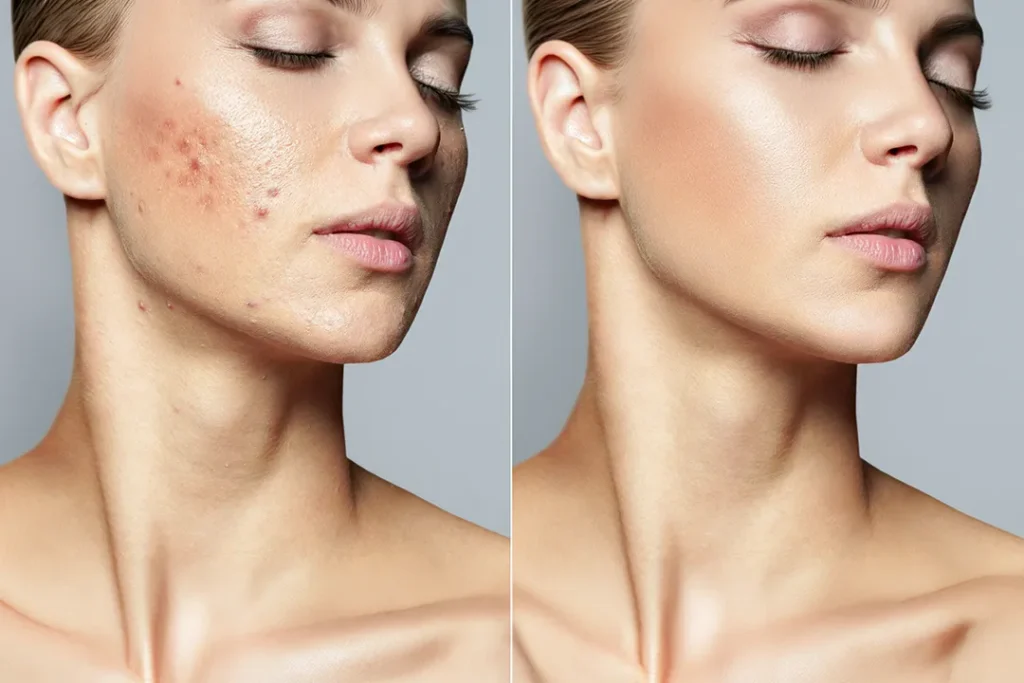
It may also provide an excellent cosmetic result with a lower risk of scarring than some surgical procedures. This can make it particularly useful when treating suitable lesions on highly visible areas.
However, PDT is not appropriate for every lesion or every patient. Some skin cancers require surgery or another form of medical treatment. Any suspicious spot must be properly assessed before a treatment plan is recommended.
Shine a Light on Your Skin Health
Our skin has an impressive memory for UV exposure – even when we would prefer it to forget. If you have been diagnosed with actinic keratoses, a suitable superficial skin cancer or significant sun damage, Photodynamic Therapy may offer an effective non-surgical treatment option.
The first step is a consultation with Dr Austin at Austin Clinic in Balgowlah. Your skin can be properly examined, your diagnosis confirmed and the most appropriate treatment options discussed with you.
Because when it comes to sun damage and precancerous skin lesions, acting today is one of the best ways to protect the skin you will be living in tomorrow.